

MDR vs XDR vs SIEM: What Should Enterprises Really Invest In?
Cyber threats have evolved far beyond simple malware and opportunistic attacks. Today’s adversaries use automation, stolen credentials, lateral movement, and multi-stage tactics to compromise organizations. As a result, enterprises are rethinking how they detect and respond to threats, and what security technologies deserve their investment.
This is where the debate around SIEM, XDR, and MDR begins.
Each approach plays a different role in modern cybersecurity, but they are often misunderstood or compared as direct alternatives. The real question is not which acronym is more advanced, but which approach best fits your organization’s security maturity, resources, and risk profile.
What Is SIEM?
SIEM: The Foundation of Security Monitoring
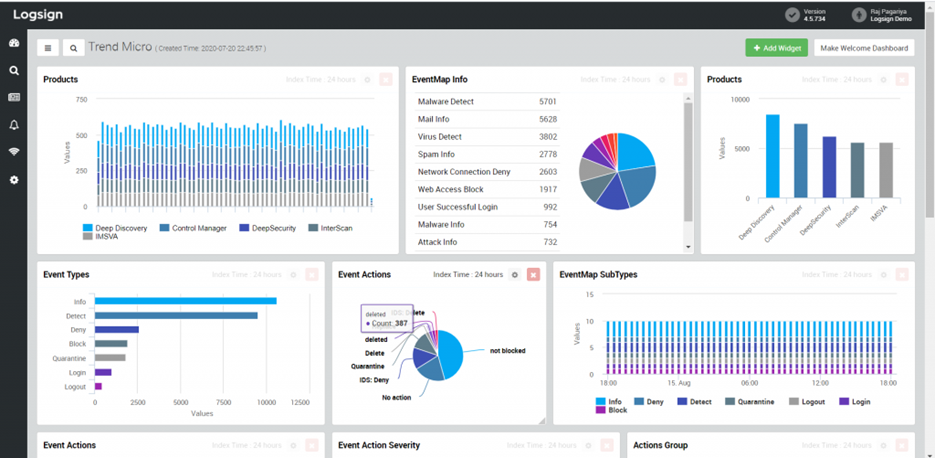
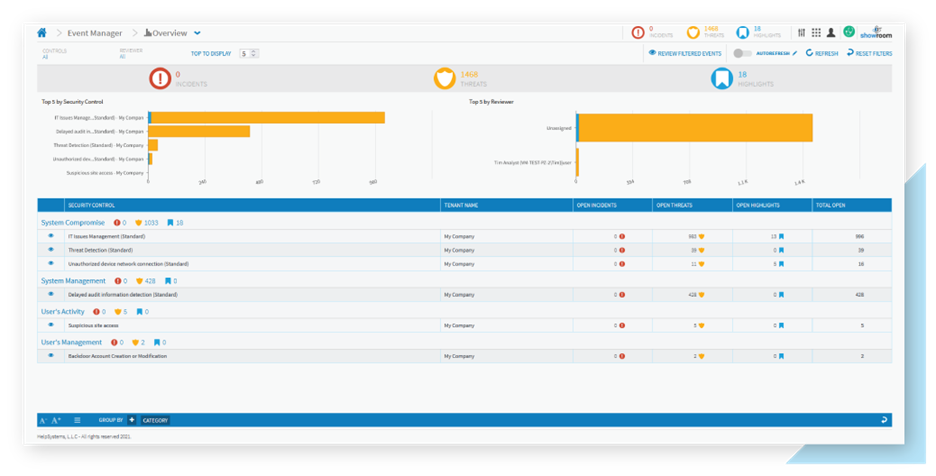
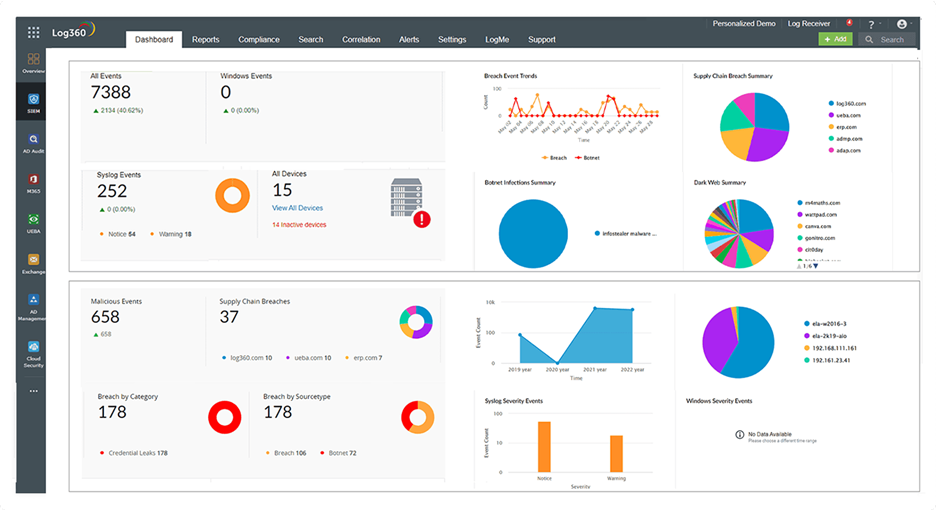
Security Information and Event Management (SIEM) platforms have been the backbone of enterprise security operations for years. A SIEM collects logs and security events from across the IT environment such as servers, endpoints, firewalls, applications, cloud platforms, and more.
It then correlates these logs to identify suspicious activity, generate alerts, and support compliance reporting.
Key advantages of SIEM:
- Centralized visibility across the entire IT environment
- Compliance reporting and audit support
- Historical log analysis for investigations
- Custom correlation rules for threat detection
Challenges with SIEM:
- Complex deployment and tuning
- High operational overhead
- Requires skilled analysts and a dedicated SOC
- Large volumes of alerts without proper context
Best for:
Enterprises with mature security teams, compliance obligations, and the ability to operate a full Security Operations Center (SOC).
What Is XDR?
XDR: Integrated Detection Across Endpoints, Network, and Cloud
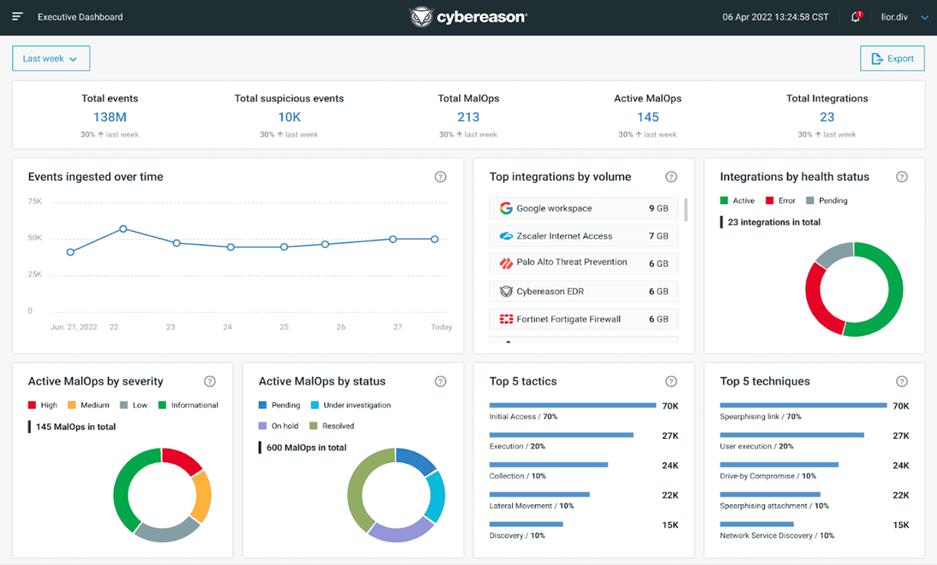
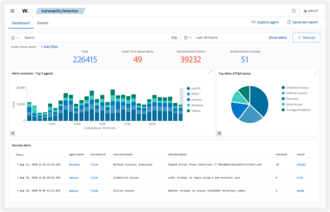
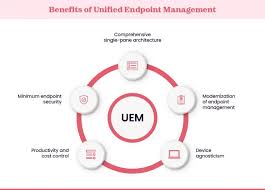
Extended Detection and Response (XDR) is a more modern approach designed to overcome the limitations of siloed security tools. Instead of focusing only on logs, XDR platforms correlate telemetry across multiple security layers like endpoints, servers, networks, identities, email, and cloud workloads.
The result is faster detection of sophisticated, multi-stage attacks and more automated response actions.
Key advantages of XDR:
- Unified visibility across multiple attack surfaces
- Context-rich alerts that reduce false positives
- Automated response capabilities
- Faster detection of complex threats
Challenges with XDR:
- Often tied to a specific vendor ecosystem
- Still requires internal teams to monitor and respond
- Limited compliance and long-term log storage compared to SIEM
Best for:
Organizations that want stronger detection and response capabilities without building a complex SIEM-driven SOC.
What Is MDR?
MDR: Managed Detection and Response as a Service
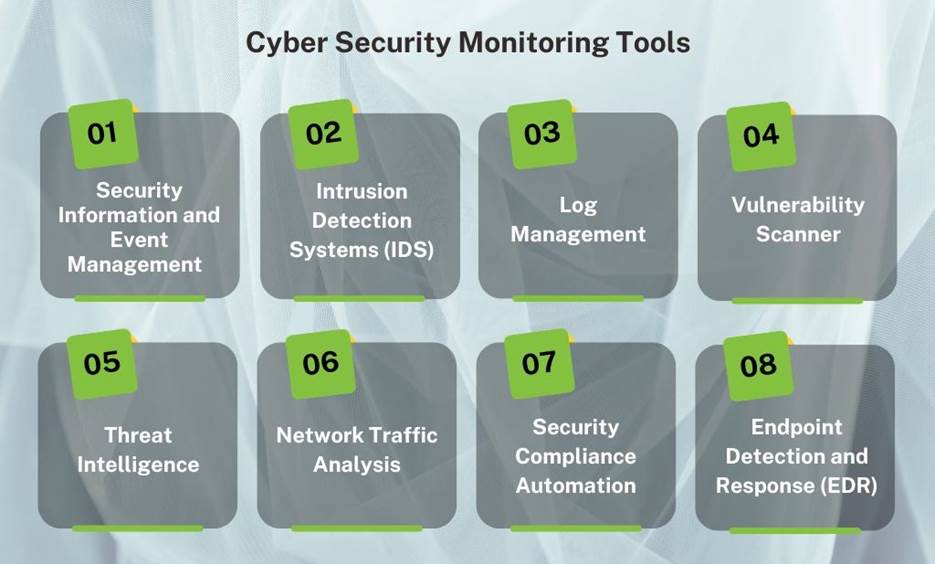
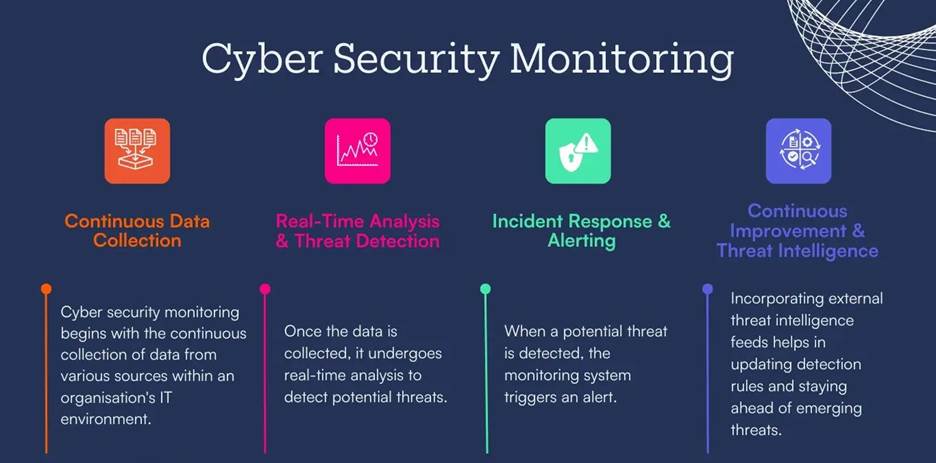
Managed Detection and Response (MDR) is a service-based model that combines advanced detection technologies with human expertise. Instead of just providing tools, MDR providers deliver 24/7 monitoring, threat hunting, investigation, and response.
Most MDR services use EDR or XDR platforms as their technology backbone, but the real value comes from the security analysts and incident responders behind the scenes.
Key advantages of MDR:
- 24/7 monitoring without building an in-house SOC
- Access to experienced security analysts
- Faster detection and containment
- Predictable, subscription-based costs
Challenges with MDR:
- Less direct control compared to in-house operations
- Service quality depends on the provider’s expertise
Best for:
Organizations that want enterprise-grade security outcomes but lack the resources or expertise to manage detection and response internally.
SIEM vs XDR vs MDR: Key Differences
| Capability | SIEM | XDR | MDR |
| Primary role | Log management & compliance | Cross-layer detection | Managed detection & response |
| Technology or service | Technology platform | Technology platform | Managed service |
| Requires internal SOC | Yes | Yes | No |
| 24/7 monitoring | Optional (internal) | Optional (internal) | Included |
| Threat hunting | Optional | Limited | Core capability |
| Compliance reporting | Strong | Moderate | Moderate |
| Time to value | Slow | Medium | Fast |
| In-house Skill requirement | High | Medium | Low |
SIEM vs XDR vs MDR: How to Choose
Many enterprises approach this decision as a tool comparison. However, the smarter approach is to align the choice with your security maturity and business goals.
Choose SIEM if:
- You have strict compliance or regulatory requirements
- You operate a mature in-house SOC
- You need long-term log retention and deep forensic analysis
Choose XDR if:
- You want unified visibility across endpoints, network, and cloud
- You have internal security staff to monitor alerts
- You need faster detection of advanced threats
Choose MDR if:
- You lack a 24/7 SOC
- You face alert fatigue or limited expertise
- You want faster time to detection and response
The Modern Approach to Security: Layered Detection and Response
Most enterprises are no longer choosing just one approach. Instead, they are adopting a layered security strategy that combines multiple capabilities:
- SIEM for compliance, visibility, and long-term analytics
- XDR for real-time, cross-environment detection
- MDR for expert-led monitoring and response
This model helps organizations move from reactive security to proactive, outcome-driven protection.
A Simple Security Maturity Model
Early-stage maturity
- No dedicated SOC
- Limited internal expertise
Recommended approach: Start with MDR
Mid-stage maturity
- Some internal security resources
- Need better detection across environments
Recommended approach: XDR with optional MDR support
Advanced maturity
- Full SOC and compliance requirements
- Need deep analytics and custom detections
Recommended approach: SIEM + XDR + selective MDR
How Visiontech Helps Enterprises Make the Right Investment
At Visiontech Systems, cybersecurity is approached as a strategic partnership rather than a one-time technology deployment. As a Managed Security Services Provider (MSSP), Visiontech helps organizations design and implement security architectures tailored to their operational maturity and risk exposure.
We support enterprises through:
- Security assessments and architecture planning
- Layered security strategies across endpoint, network, cloud, and identity
- Deployment of SIEM, XDR, and advanced security platforms
- 24/7 Managed Detection and Response services
- Continuous monitoring, threat hunting, and incident response
By combining advanced technologies with expert-led services, Visiontech enables organizations to move beyond traditional endpoint protection and adopt a comprehensive, proactive security posture that includes XDR, MDR, NDR, Zero Trust, and identity-centric controls.
Final Thoughts
SIEM, XDR, and MDR are not competing technologies, they are different layers of a modern detection and response strategy.
- SIEM provides centralized visibility and compliance.
- XDR delivers integrated, cross-layer detection.
- MDR provides expert-led monitoring and response.
The right investment depends on your organization’s maturity, resources, and how quickly you need to detect and contain threats. With the right strategy and partner, enterprises can move from tool-centric security to outcome-driven protection.