

How Agentic AI Is Changing the Future of Work & Business Operations
Artificial Intelligence is entering a new phase, one that goes beyond automation and predictive analytics. This phase is driven by Agentic AI, a new class of intelligent systems capable of making decisions, taking actions, and achieving goals with minimal human intervention.
For enterprises, this shift is not just another technology trend. It is fundamentally changing how work is executed, how teams operate, and how business outcomes are delivered. Organizations that understand and adopt agentic AI early are likely to gain significant advantages in efficiency, agility, and innovation.
What Is Agentic AI?
Agentic AI refers to autonomous or semi-autonomous AI systems that can plan, reason, and act toward a defined objective. Unlike traditional AI models that respond to prompts or perform isolated tasks, agentic systems operate as goal-driven digital agents.
These agents can:
- Interpret high-level instructions
- Break them into smaller tasks
- Interact with multiple systems and data sources
- Make context-aware decisions
- Execute actions and monitor results
- Adjust behavior based on outcomes
For example, instead of asking an AI tool to generate a weekly sales report, an agentic AI system could:
- Identify the relevant data sources
- Extract and clean the data
- Analyze trends and anomalies
- Generate a report with insights
- Send it to stakeholders
- Schedule follow-up actions automatically
This level of autonomy represents a shift from task-based automation to outcome-based execution.
From Automation to Autonomous Operations
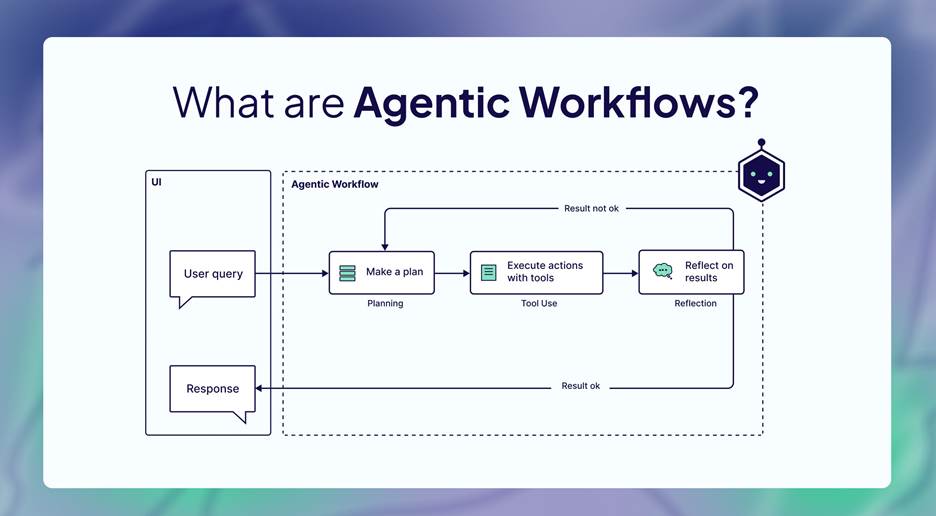
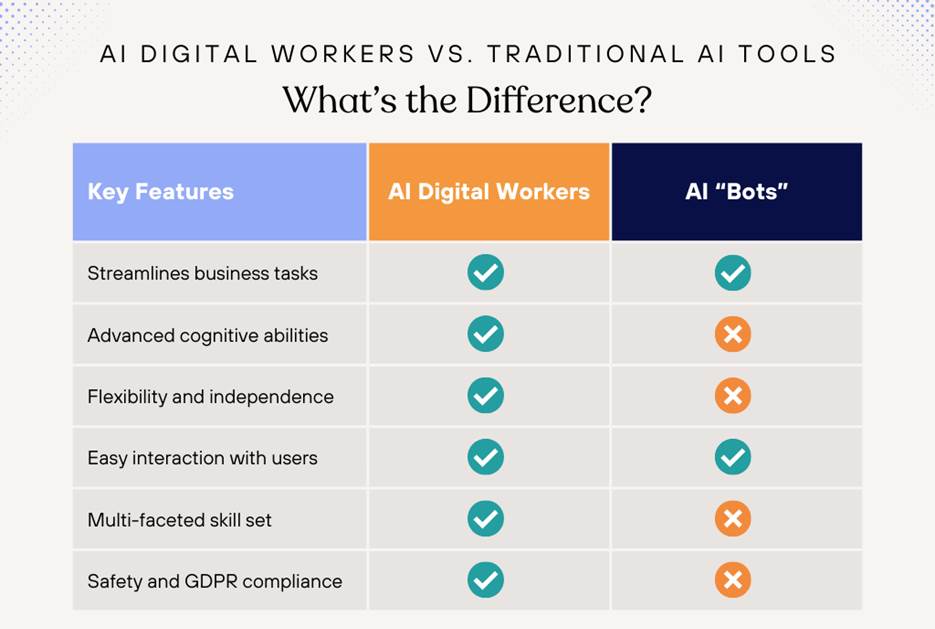
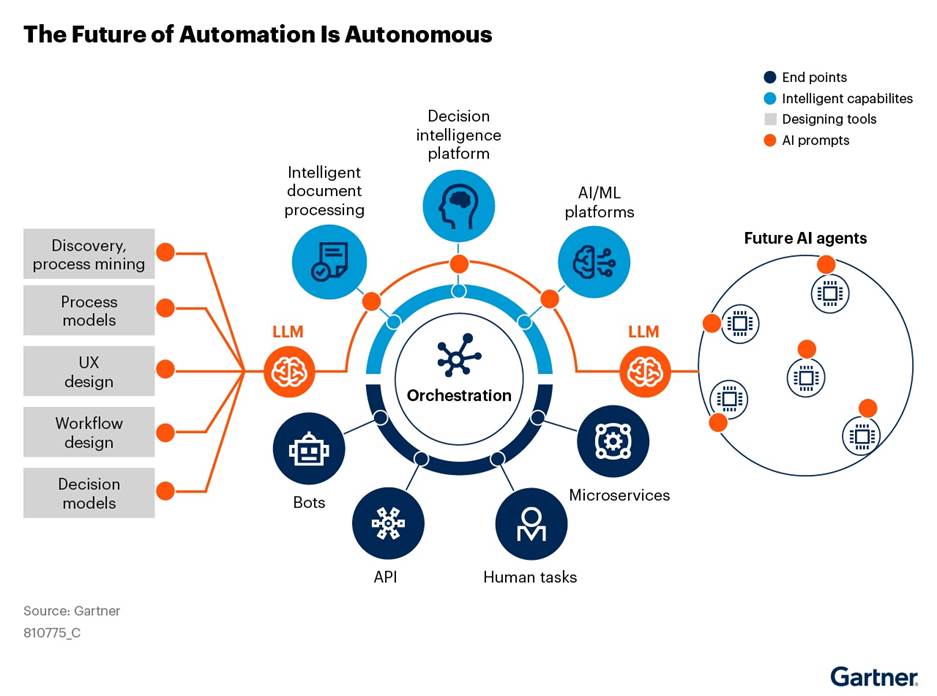
Traditional automation tools follow predefined rules. They are effective for repetitive, structured processes, but they struggle with dynamic or multi-step tasks.
Agentic AI, on the other hand, introduces reasoning and adaptability.
| Traditional Automation | Agentic AI |
| Rule-based execution | Goal-driven decision making |
| Handles repetitive tasks | Manages complex workflows |
| Requires constant human input | Operates with partial autonomy |
| Limited adaptability | Context-aware and adaptive |
| Focus on tasks | Focus on outcomes |
This evolution enables organizations to automate not just individual steps, but entire business processes.
Why Agentic AI Matters for Modern Enterprises
Enterprises today face several operational challenges:
- Increasing complexity across IT, cloud, and applications
- Shortage of skilled talent in technical and operational roles
- Rising customer expectations for speed and personalization
- Growing volumes of data and alerts
- Pressure to reduce operational costs
Agentic AI addresses these challenges by acting as a digital workforce that can scale operations without proportionally increasing headcounts.
Key Business Functions Being Transformed by Agentic AI
1. IT Operations and Security
Agentic AI is redefining how IT and security teams manage infrastructure and threats.
AI agents can:
- Continuously monitor systems and networks
- Detect anomalies or suspicious behavior
- Investigate incidents automatically
- Apply predefined response actions
- Escalate only high-risk events to human analysts
Impact:
- Reduced alert fatigue
- Faster threat detection and response
- Lower operational overhead
2. Customer Support and Experience
Customer support is shifting from reactive service to proactive engagement.
Agentic AI can:
- Handle end-to-end customer interactions
- Access multiple systems to resolve issues
- Personalize responses based on customer history
- Initiate follow-ups automatically
- Escalate complex cases to human agents
Impact:
- Faster resolution times
- Improved customer satisfaction
- Reduced support costs
3. Finance and Back-Office Automation
Financial and administrative functions often involve repetitive and time-consuming tasks.
Agentic AI can:
- Process invoices and approvals
- Detect anomalies or fraudulent transactions
- Reconcile accounts automatically
- Generate financial reports
- Ensure compliance with policies
Impact:
- Faster processing cycles
- Fewer manual errors
- Improved compliance and audit readiness
4. Sales and Marketing Operations
Sales and marketing teams spend a large portion of their time on administrative and analytical tasks.
Agentic AI can:
- Identify and prioritize high-value leads
- Personalize outreach campaigns
- Schedule meetings and follow-ups
- Update CRM systems automatically
- Analyze engagement data and optimize campaigns
Impact:
- Higher conversion rates
- More time for relationship-building
- Better marketing ROI
5. Supply Chain and Logistics
Agentic AI is also transforming operations-heavy industries.
AI agents can:
- Monitor inventory levels in real time
- Predict demand fluctuations
- Optimize shipping routes
- Automate procurement decisions
- Respond to supply chain disruptions
Impact:
- Reduced operational delays
- Lower inventory costs
- Improved resilience
The Rise of the Digital Workforce
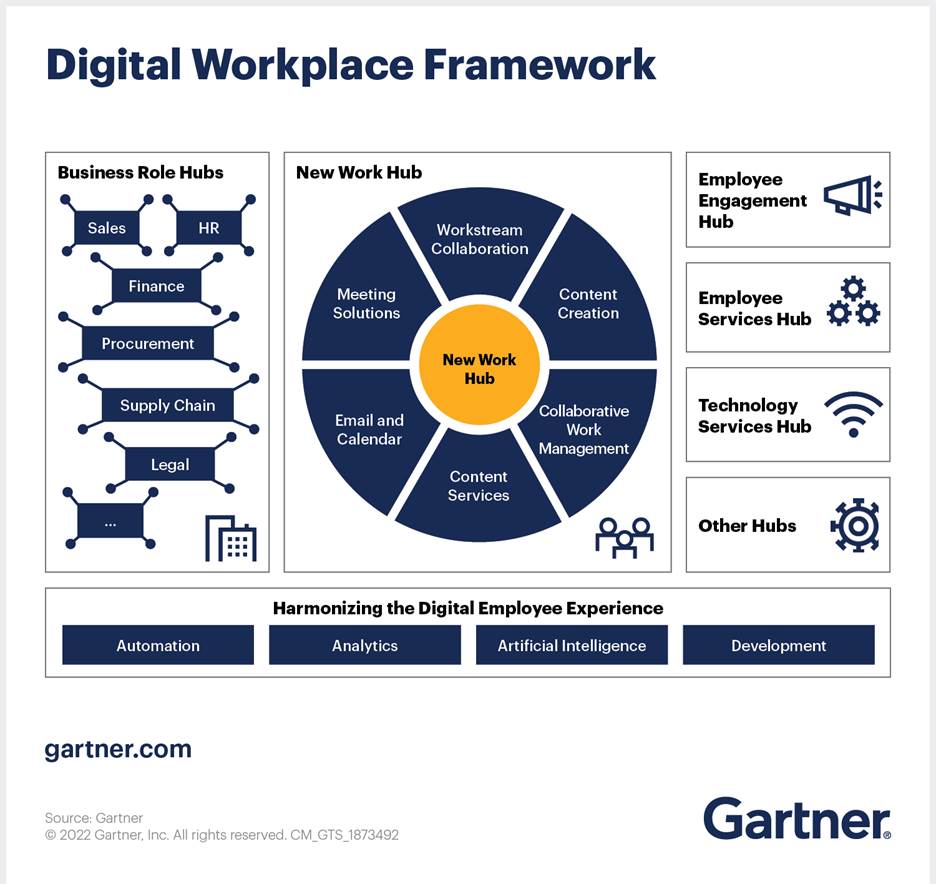

Agentic AI is enabling a new model of work: the hybrid workforce, where human employees collaborate with AI agents.
In this model:
- Humans focus on strategy, creativity, and complex decision-making
- AI agents handle execution, analysis, and routine operations
For example:
- A marketing manager defines campaign goals
- AI agents execute targeting, content distribution, and analytics
- The manager reviews insights and adjusts strategy
This approach increases productivity without increasing operational complexity.
Key Benefits of Agentic AI
1. Higher Operational Efficiency
AI agents can operate continuously, reducing delays and manual bottlenecks.
2. Faster, Data-Driven Decisions
Agentic systems analyze data in real time and act on insights instantly.
3. Reduced Costs
Automating complex workflows lowers the need for repetitive manual work.
4. Scalability
AI agents can handle increased workloads without proportional increases in staff.
5. Improved Accuracy
Automated decision-making reduces human error and ensures consistency.
Challenges and Considerations of Agentic AI
While agentic AI offers significant benefits, enterprises must address several critical factors.
1. Governance and Oversight
Organizations must define:
- Clear objectives for AI agents
- Approval mechanisms for sensitive actions
- Monitoring and audit trails
2. Security and Identity Management
Autonomous agents interact with multiple systems and sensitive data. This requires:
- Strong identity and access controls
- Zero Trust architectures
- Continuous monitoring of AI activities
3. Data Quality and Integration
Agentic AI depends on accurate, accessible data. Poor data quality can lead to flawed decisions.
4. Change Management
Adopting agentic AI requires:
- Training employees
- Redesigning workflows
- Establishing new operational models
The Future of Work in an Agentic AI Era
Over the next five to ten years, enterprises will likely see:
- AI agents embedded across all major business functions
- Hybrid teams of humans and digital agents
- Automated decision-making for routine operations
- Faster, outcome-driven workflows
Instead of employees managing tasks, they will increasingly manage AI-driven processes.
Organizations that adopt agentic AI strategically will gain:
- Faster innovation cycles
- Greater operational resilience
- Improved customer experiences
- Competitive advantage in digital markets
How Visiontech Helps Organizations Prepare for the Agentic AI Era
At Visiontech Systems, we believe agentic AI will only deliver value when it is built on a secure, scalable, and well-governed technology foundation.
As a Managed Security Services Provider (MSSP) and technology integrator, we help enterprises prepare for this shift through:
- Secure IT and cloud infrastructure design
- Identity-centric security and Zero Trust architecture
- Integration of AI-driven automation across business operations
- Managed Detection and Response (MDR) to protect AI-enabled environments
- Continuous monitoring, threat hunting, and incident response
By combining intelligent automation with strong cybersecurity controls, Visiontech enables organizations to adopt agentic AI safely, strategically, and at scale.
The future of work will not be defined by automation alone, but by intelligent agents working alongside people to drive outcomes.
Organizations that invest early in the right strategy, governance, and security will be best positioned to succeed in the agentic AI era.